


How to dress a baby in winter? Ideas and tips
When the cold weather arrives, one of the main concerns for parents is how to keep their baby warm and comfortable without adding too many layers. Newborns and young babies still do not regulate their body temperature properly, which means they need special attention during autumn and winter. Dressing them appropriately not only keeps them comfortable, it also protects them from sudden changes in temperature throughout the season.
In this article, you will find practical tips and outfit ideas on how to dress a baby in winter, both for going outside and for sleeping at home, as well as recommendations on the most suitable materials for their delicate skin.
How to dress your baby in winter
The best way to dress a baby in winter is to use a layering system, which makes it easy to adapt to changes in temperature without risking overheating. The first layer should always be a long-sleeve cotton bodysuit, a soft and breathable garment that protects the baby’s delicate skin. As a middle layer, you can add footed trousers, leggings, knitted outfits, jumpers or sweatshirts that provide extra warmth while keeping them comfortable. Finally, the outer layer should match the weather conditions of the day: for going outside, choose a waterproof coat, a padded pramsuit or a snowsuit that protects against wind and moisture.
Do not forget to cover the areas that lose heat more quickly. A hat or hood keeps the head warm, while gloves and socks protect hands and feet, preventing them from getting cold too fast. Baby tights and leggings are also an excellent option to keep their legs warm throughout the day.
At home, you can use winter sleepwear such as sleeping bags or wearable blankets, which keep the baby warm without the need for heavy blankets. These systems allow babies to move freely and ensure a comfortable, safer sleep.
When dressing your baby in winter, it is important to check their body temperature frequently: if the back of their neck or their upper back feels damp, it means they are too warm and you should remove a layer; if, on the contrary, their hands and feet feel cold, you will need to add more warmth. It is also advisable to keep the room at around 20–22 degrees, avoiding air that is too dry. And remember that, when babywearing, skin-to-skin contact already provides extra warmth: in that case, covering their head and feet is usually enough to keep your baby protected.
How to dress a newborn baby in winter
Dressing a newborn baby in winter requires extra care, as they still cannot regulate their body temperature properly. The best strategy is to use thin, breathable layers that allow you to adapt quickly to changes in the environment without overheating your baby. The first layer should always be a long-sleeve cotton bodysuit, soft and comfortable to protect their skin. On top, you can add a fine knit playsuit or cotton all-in-one and finish with a wool or fleece pramsuit, jumper or light coat when it gets colder.
Limbs are especially important: protect the hands with mittens and the feet with baby socks or soft, breathable tights. For the head, a hat that covers the ears helps prevent heat loss. Remember that wool and other warmer materials should always be worn over cotton pieces, never directly against the skin.
A practical tip is to check your baby’s temperature by touching their neck, chest or back: if the skin feels cold, they need an extra layer; if it feels sweaty, it is best to remove one. In addition, when entering heated indoor spaces, remove outer layers quickly so the baby does not overheat.
When you go outside, consider using a footmuff in the pushchair or baby carrier: it adds extra warmth and keeps your newborn protected and comfortable for the whole journey.
Recommended winter outfits for going out with your baby
-
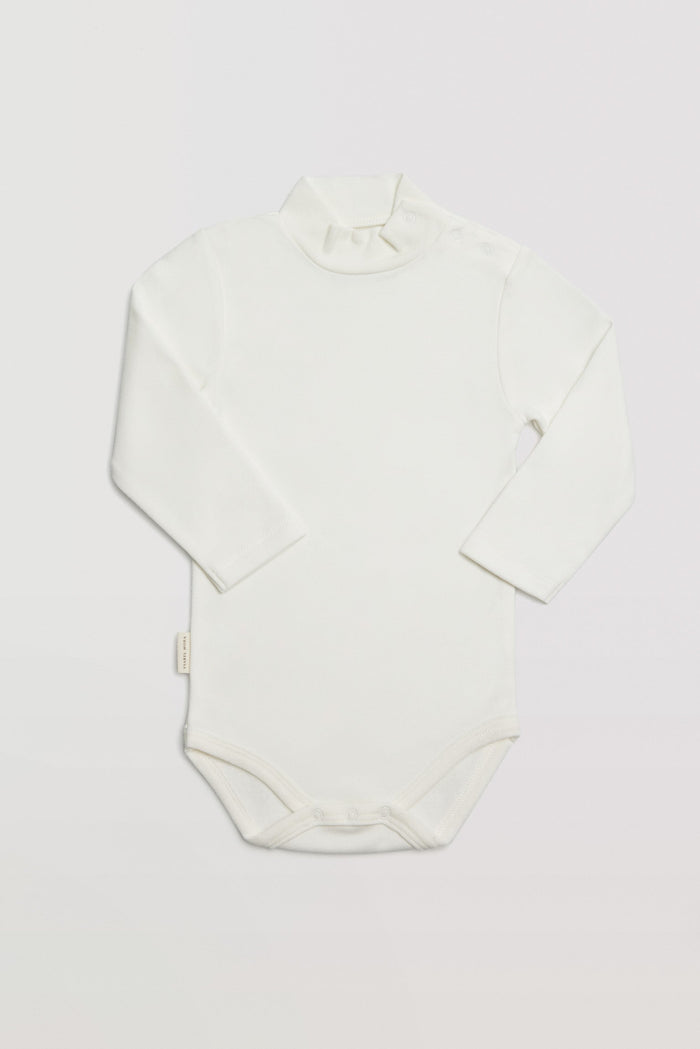
First layer: a soft, breathable cotton bodysuit.
-
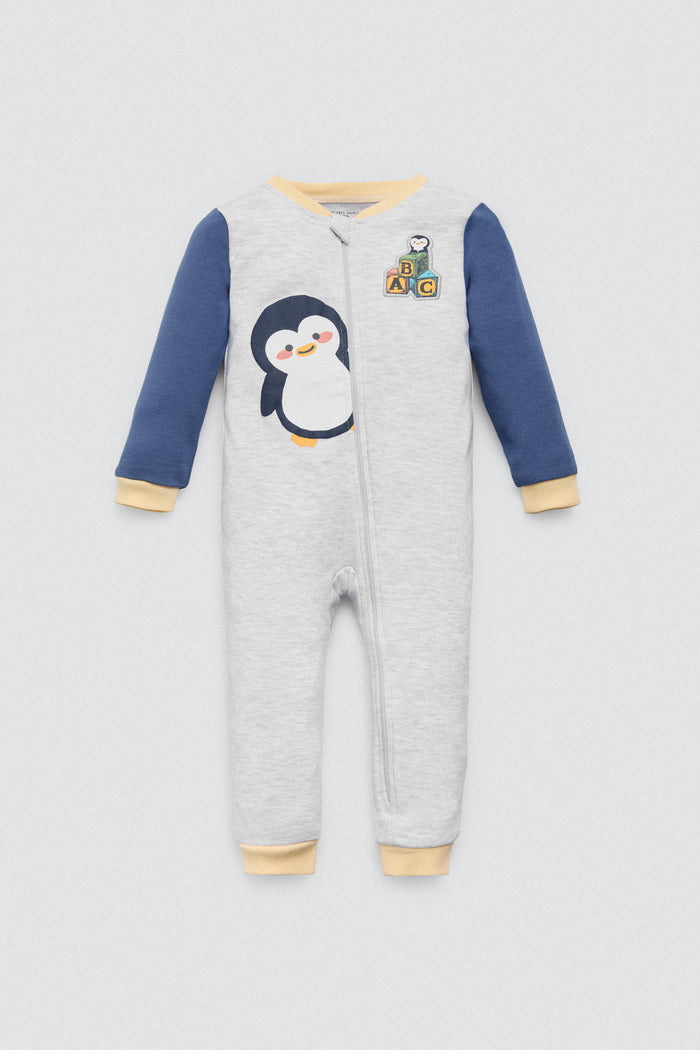
Second layer: a fine knit playsuit or two-piece outfit.
-
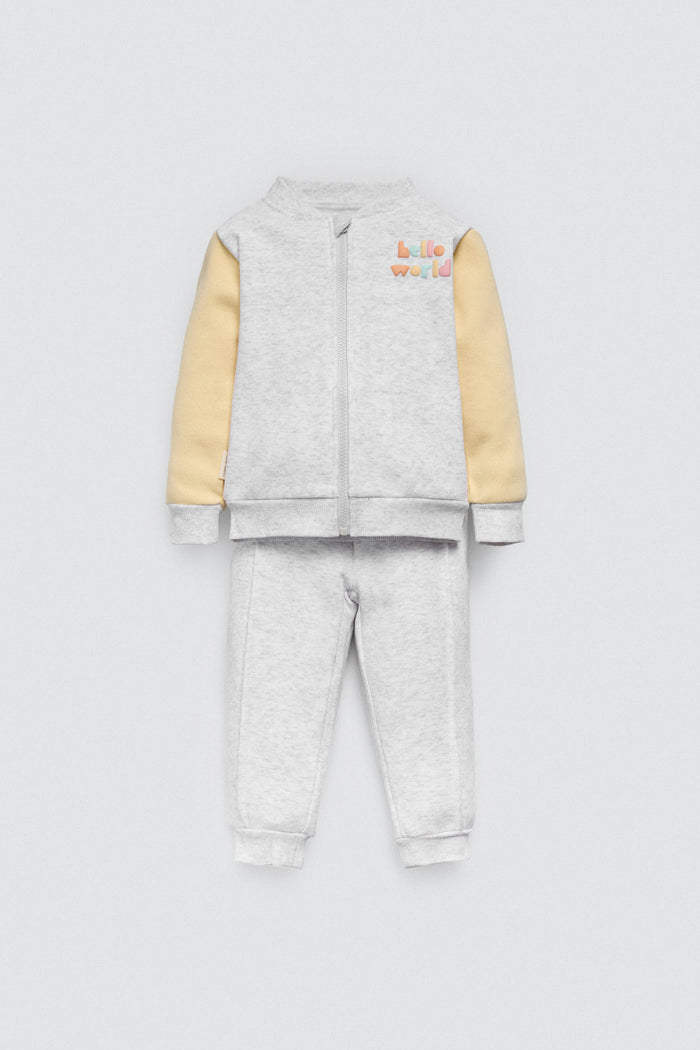
Third layer: a wool or fleece pramsuit or coat for outdoor use.
-
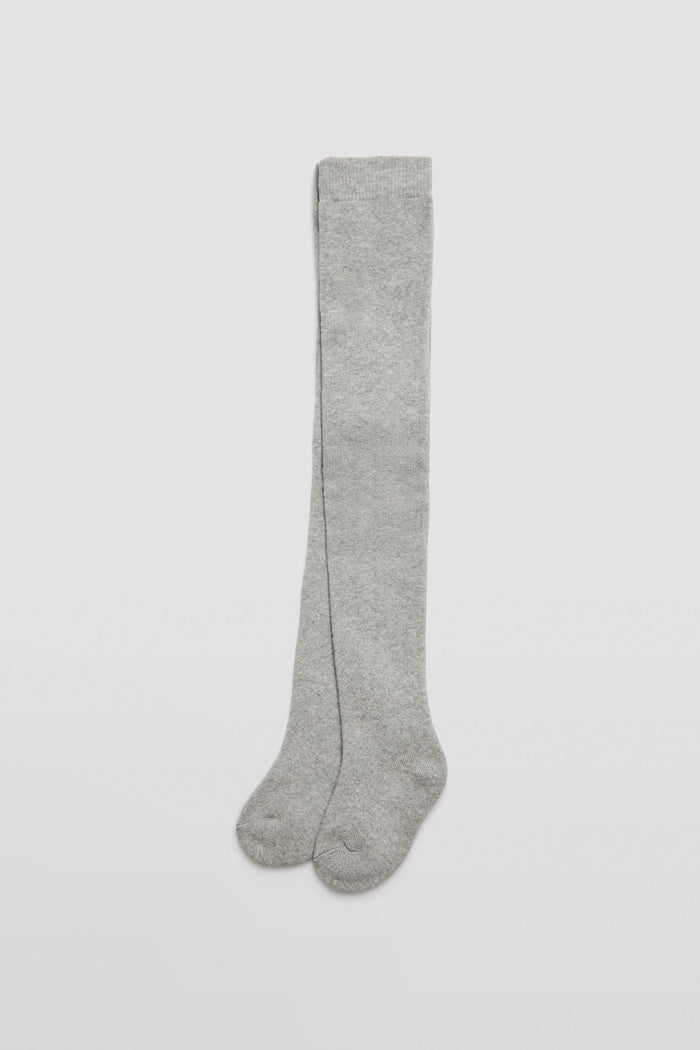
Legs: Ysabel Mora baby tights and leggings, available in essential colours and high-quality fabrics, are ideal to keep little legs warm and comfortable all day long.
-
Head and hands: knitted hats and mittens, essential to protect the areas most exposed to the cold.
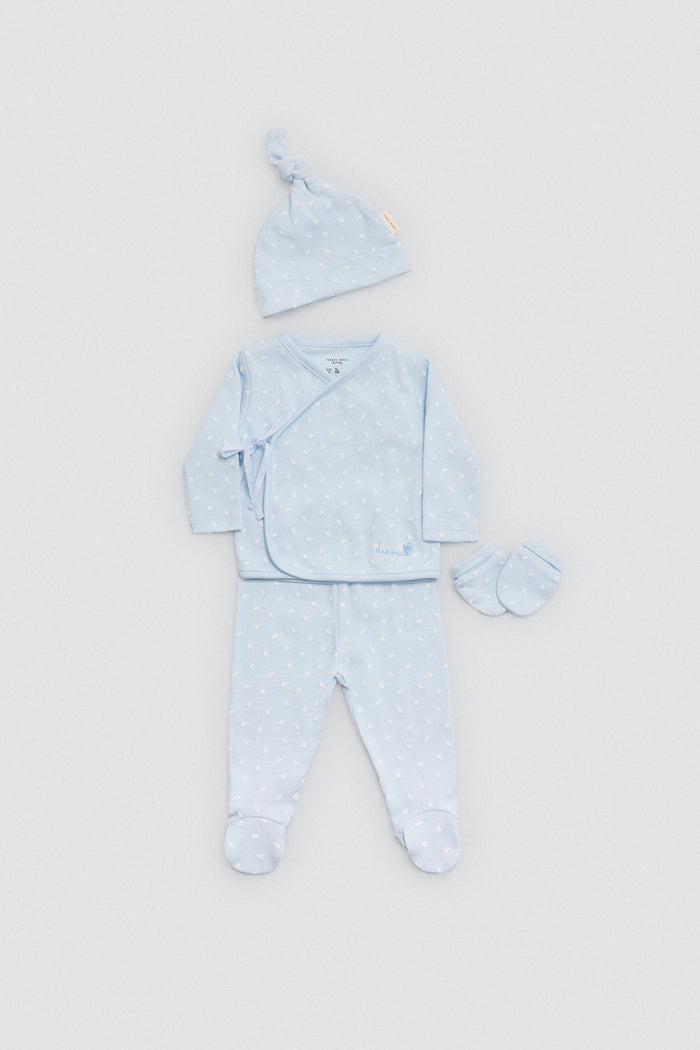
This way, you will know exactly how to dress a newborn in winter: with layers that are easy to put on and take off, soft materials that respect their skin and practical garments for any situation.
How to dress a baby for sleep in winter
Bedtime often raises many questions for parents, especially during the colder months. The key is to choose light, breathable layers that keep the baby warm without risking overheating. This helps ensure comfortable, safer sleep throughout the night.
Key guidelines for dressing a baby for sleep in winter:
-
Start with a long-sleeve cotton bodysuit as a base layer.
-
Add a thicker cotton sleepsuit or baby playsuit to provide extra warmth.
-
Finish with a padded sleeping bag to prevent the baby from uncovering during the night.
-
Always avoid hats, hoods and loose blankets in the cot, as they increase the risk of overheating or Sudden Infant Death Syndrome (SIDS).
-
Check the temperature by touching the chest or back: if they feel cold, add a layer; if they feel damp or sweaty, remove one.
-
Keep the room between 16 and 20 degrees, away from direct heat sources, to create a safe environment.
In short, dressing a baby for sleep in winter does not require many clothes, just the right ones: breathable cotton, a good sleeping bag and the correct room temperature. With these guidelines, your little one will sleep safely, comfortably and well protected all night long.
Which materials are best for baby clothes in winter?
When we think about how to dress a baby in winter, choosing the right fabrics is just as important as the layers themselves. The best materials for baby clothes during the colder months are cotton, fleece, microfleece and merino wool. Cotton is the ideal option for the first layer, as it is a natural, soft and breathable fibre, perfect for bodysuits and base-layer tops. Organic cotton is even better, as it is gentler on the baby’s delicate skin and helps prevent irritation.
Merino wool is excellent for keeping in warmth and regulating body temperature, preventing the baby from sweating excessively, which makes it very useful for inner or mid layers and even sleepwear when we ask ourselves how to dress a baby for sleep in winter. Fleece and microfleece are light, soft fabrics with great thermal capacity, perfect for thicker pyjamas, sleeping bags or outerwear. On the coldest days, you can also use fabrics such as velour or sherpa, especially for outer layers, footmuffs or pramsuits for going on walks.
Ultimately, whether you are looking for ideas on how to dress a newborn baby in winter or how to dress a baby in winter for both sleeping and going outside, the most important thing is to choose natural, breathable fibres in direct contact with the skin and reserve the warmest materials for outer layers. This guarantees comfort, warmth and safety.
|
Fabric |
Main characteristics |
Recommended uses |
|
Cotton / Organic cotton |
Natural, breathable, soft and absorbent fibre. Protects the baby’s sensitive skin. |
First layer in bodysuits, base-layer tops and light pyjamas. Ideal in direct contact with the skin, especially for newborns. |
|
Merino wool |
Keeps warmth in, regulates temperature and helps avoid excess sweating. |
Mid or inner layers, winter sleepwear for cold nights. Very useful when thinking about how to dress a baby for sleep in winter. |
|
Fleece / Microfleece |
Light, soft fabrics with great thermal capacity. |
Thick pyjamas, sleeping bags, pramsuits or jackets for outdoor use. Perfect when deciding how to dress a baby in winter in very cold climates. |
|
Velour |
Warm, soft fabric with an elegant appearance. |
Outer layers, winter pyjamas or special outfits for newborns. |
|
Sherpa |
Very warm, ideal to protect against intense cold. |
Sleeping bags, pramsuits or outer blankets. Suitable when we are looking for ways to dress a newborn in winter for going outside. |
Knowing how to dress a baby in winter is easier than it seems if you follow a few basic rules: dress in layers, add one more layer than you would wear as an adult, protect head and feet and choose soft, breathable materials.
At Ysabel Mora, you will find a wide selection of garments made from high-quality materials, designed for the comfort and wellbeing of little ones. From baby tights and leggings to socks, pyjamas and base layers, all our collections are created to accompany your baby through their first winters with warmth, softness and style.
👉 Discover our collection of baby tights and leggings and get everything you need so your little one can enjoy winter feeling safe, warm and happy.





